Why Old Friendships Fade, Even When Nobody Actually Wants Them To

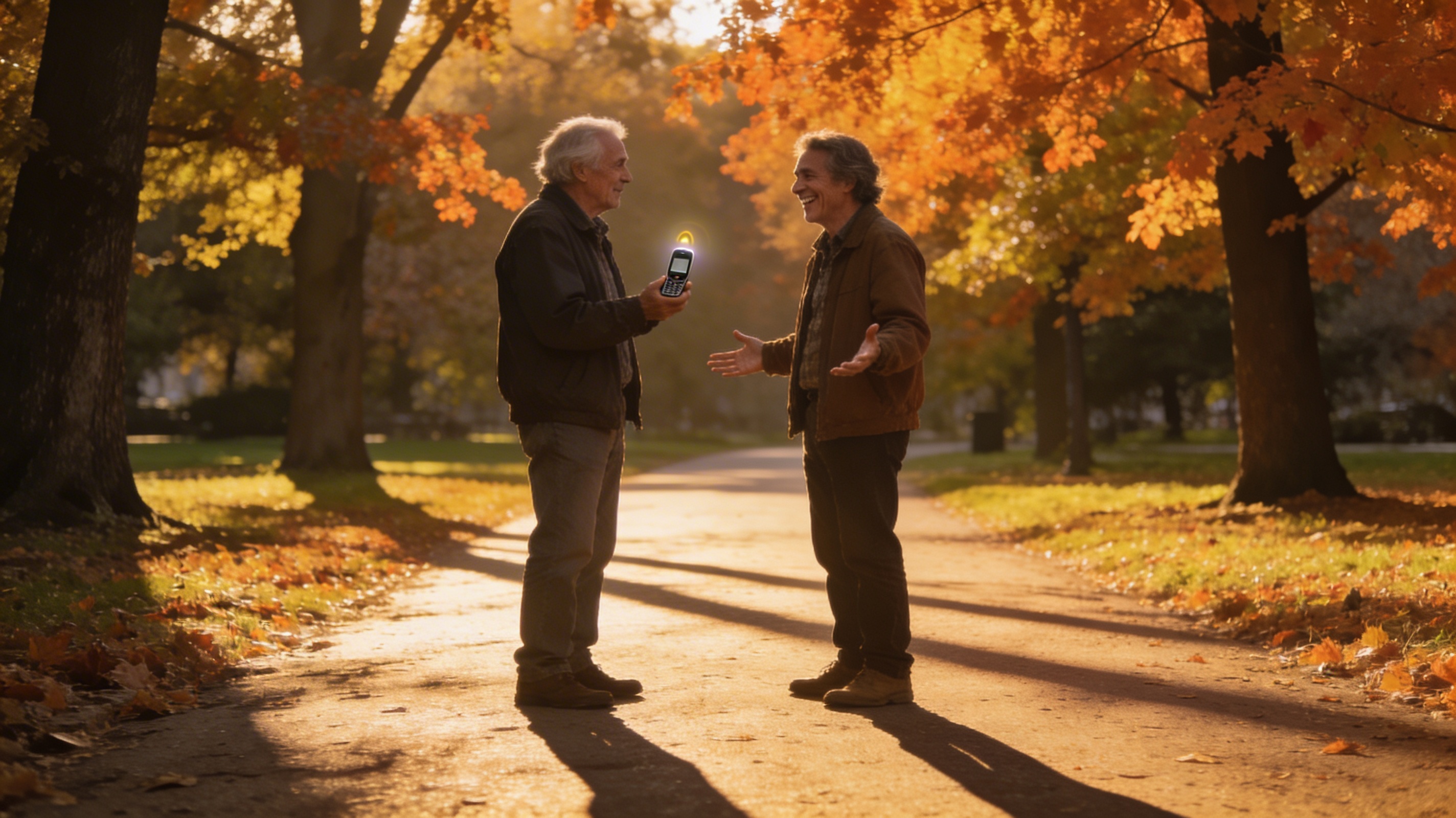
Ninety-one percent of people have lost touch with a friend they care about. Nearly none of them plan to reach out.
What the Research Found
That statistic comes from a 2024 study published in Communications Psychology by Lara Aknin of Simon Fraser University and Gillian Sandstrom of the University of Sussex. Across seven pre-registered experiments involving nearly 2,500 participants, they investigated why people don't reconnect with old friends despite knowing those relationships matter. The results were genuinely odd. When participants were asked how willing they were to reach out to an old friend, their responses landed around neutral. Not reluctant exactly. Just stuck. And even when researchers gave participants time to draft a message, provided contact information, confirmed the person would likely want to hear from them, and actively encouraged them to send it, fewer than one in three actually did.
Everyone Wants to Hear. Nobody Wants to Go First.
One of the study's cleaner findings: people consistently scored higher on wanting to hear from their old friend than on wanting to be the one to initiate contact. The gap was significant. People fully expected their message to be well received. They thought the friend would view them positively and appreciate hearing from them. None of that translated into action. The most commonly cited barrier wasn't time or distance. It was uncertainty about whether the friend would even want to hear from them, followed closely by the fear that reaching out after so long would simply feel awkward.
Why Old Friends Start to Feel Like Strangers
Here's where it gets interesting. To understand the hesitation, the researchers compared people's willingness to reach out to an old friend against their willingness to do other everyday tasks, including talking to a stranger. The willingness scores were nearly identical. People were no more comfortable texting someone they used to be close to than starting a conversation with someone they'd never met. The more time had passed, the more an old friend had effectively become a stranger in their mind, and the more reluctant people were to bridge that gap. The same psychological machinery that holds most people back from chatting to someone on a train was blocking them from texting someone they'd once have called their closest friend.
Why Telling People the Research Doesn't Help
The researchers tried multiple approaches to nudge people into sending that message. They told participants that recipients appreciate reconnection messages more than senders expect. They asked people to reflect on how they'd feel receiving such a message. Study 4 added a message specifically saying the gesture wouldn't pressure the recipient to reply, so it carried low risk and high reward. The proportion of people who sent a message barely moved. Information alone doesn't close the gap between knowing something is a good idea and actually doing it.
What Did Work
Study 7 cracked it. Instead of trying to change how people thought about reaching out, the researchers changed what people did immediately before. Participants spent three minutes sending quick messages to several current friends or acquaintances. Nothing elaborate. Just routine contact. After that warm-up, the proportion of people who then reached out to their old friend jumped by two-thirds compared to those who had spent those same three minutes scrolling through social media feeds. The behavior itself was the key. People who had just acted on the impulse to connect with someone familiar found it much easier to carry that momentum across to someone who felt more distant.
One Change Before Your Next Scroll Session
The practical application here is specific. If there's someone you've been meaning to get back in contact with for months, don't open their contact card and stare at it. Start somewhere easier. Text two or three people you're already in regular contact with something low-stakes: a reaction to something in the news, a memory that surfaced, a question about their life. Use those few minutes of actual social contact as a warm-up. Then, while you're already in that mode, send the short message to the person you've been putting off.
The other thing worth doing is dropping the excuse requirement. In the study, the most acceptable "reason" for reaching out was a birthday. The research doesn't support that rule at all. Recipients of reconnection messages appreciate them more than the sender expected, regardless of occasion. A message that says "I was thinking about you" doesn't need a birthday to justify it.
Every person who hasn't heard from you in two years is probably doing the exact same calculation you are, reaching the same conclusion, and putting their phone face-down.
References
Aknin, L. B., & Sandstrom, G. M. (2024). People are surprisingly hesitant to reach out to old friends. Communications Psychology, 2, 34. https://doi.org/10.1038/s44271-024-00075-8
Share this post
Related Posts

Sharing Good News With Your Partner Matters More Than Fighting Less
A 2024 study shows how your partner responds to your good news predicts relationship quality better than how you handle conflict.

Why Getting to Know Someone Can Make You Like Them Less
A 2025 Registered Report found that familiarity can kill attraction. Here's what the science says about curiosity and why it changes everything.

Beauty Filters Prove the Halo Effect Is Real. They Also Break It.
A 2024 study found beauty filters make the same person look smarter and more trustworthy, but also make attractive women look less intelligent to men.